Waterfall Pumps
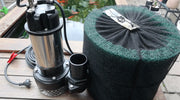
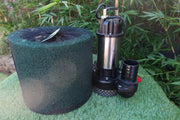
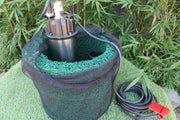
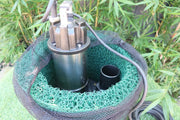
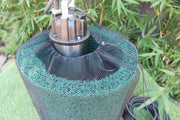
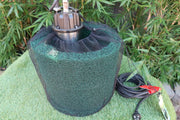
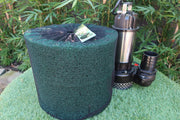
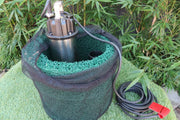
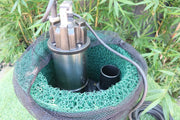
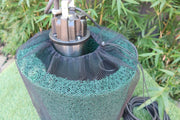
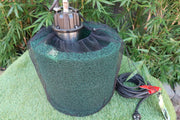
Our Matala waterfall pump kits will help to incorporate striking water features into your pond or dam area. Each of our bundles come with a high-powered Matala geyser water pump designed to circulate up to 68,000 litres of water per hour (for the highest model), and a Matala pump defender to help protect your pump from debris. Our pumps enable water to reach heights of between 5m-9m, meaning there's something for everyone regardless of your water system dimensions.
Core Functions of a Pond Waterfall Pump
Waterfalls are so much more than just an attractive feature. They actually play a key role in the overall health and prosperity of a water system, with several key functions at play. These include:
-
Filtration: As water is drawn from the main body of water, pump filters will capture small pieces of debris which won't be returned, helping to keep the pond clean from obstacles.
-
Oxygenation: Waterfalls are excellent for disrupting surface waters and encouraging oxygen transfer. As water falls back down, it's infused with oxygen which is then transferred back into the main body, leading to increased fish health and reduced algae growth.
-
Circulation: When in place for long enough, a waterfall pump will help to create a consistent circulation of water, which is vital for reducing water stratification and stagnation.
Maintaining Your Waterfall Pump
Maintaining your waterfall pump is essential to ensure it remains functioning properly. There are several key things to think about if you want your pump to remain working to its best, including the following:
-
Keep your impeller clean: The spinning mechanism within your pump that helps to send water upwards is a vital component, so it needs to be inspected regularly. Clean the impeller using a soft-bristle brush, clear all silt and algae, and remove limescale using a white vinegar solution.
-
Wash your filters: These will pick up all sorts of debris over an extended period, so keeping your filters clean is important. Use a stiff brush on the outer casing, and wash down with existing pond water to preserve key beneficial bacteria levels.
-
Check water levels in summer: If your pond or water area levels drop during warmer months, your pump may spend time running dry, which can cause damage. Make sure you keep your water levels topped up during these periods.
-
Stick to a schedule: For general cleaning and inspections, you should be looking to stick to a schedule of around once a month to keep things ticking over smoothly.
FAQs
Can I keep my waterfall pump running in the winter?
It is possible to use your waterfall pump in winter; however, it needs to be done with caution. Very cold temperatures can cause damage to the internal components of your pump. However, if you have a fish pond, it is a good way of keeping water moving to prevent fish from freezing. If possible, look to move your pump to a shallower part of your pond to avoid chilling deeper waters, as fish rely on these areas for slightly warmer temperatures.
What are some signs that my pump is damaged or needs attention?
If you spot that your setup has a reduced water flow, or if there are gurgling noises that weren't there before, this could be a sign that there is something affecting your pump that you should look into. Additionally, if your pump starts to shut off, this might be an indication of the pump overheating.
What is a pump's head pressure?
This is the metric that determines how high a pump can send water upwards. The head refers to the actual height a pump can lift a fluid, with the pressure referring to the force exerted. It is usually measured at a height in metres. It's important to know this information to determine if the pump is powerful enough to send water to your intended waterfall's height.