Phosphorus Binding
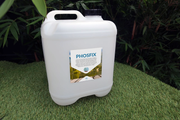
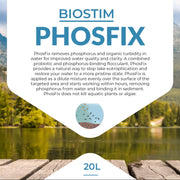
If you're having trouble with excess phosphorus and other nutrients in your pond or dam, our high-quality PhosFix solution might be just what you're looking for. Use it for any water system where excess nutrients are becoming a nuisance. Simply spray the binding over the affected area and watch as your water steadily becomes clean and clear. And once you've made it part of your regular dam maintenance, you'll never have to worry about phosphorus again.
Why Choose PhosFix?
For enhanced biological phosphorus removal, PhosFix delivers on everything you would require from a solution. It acts to bind phosphorus particles found in the water column, in much the same way as our flocculant solution.
Once the phosphorus binding is in motion, clumps of phosphorus particles will eventually sink to the bottom of your water system where it will integrate with the sludge. The PhosFix will then bind with the phosphorus already feeding the weeds within the sludge, rendering it inert.
By choosing our PhosFix, you gain a product that's fast acting and completely safe for fish and other forms of aquatic life. It supports ongoing water maintenance by keeping the overall turbidity down, and is suitable for all types of water systems including irrigation ponds, ornamental lakes, and farm dams.
PhosFix: Best Practices for Applications
While the product is safe to use, we still recommend checking your dosage levels carefully before you start to apply the solution to your water body. We measure our dosage suggestions in terms of surface acre, and whether you need the solution to just clear your water or for more heavy-duty clearing tasks.
You'll also need to take into account the size of your water system. You can choose to dilute the solution in dam or rain water prior to applying if you have a larger area and you want to get it all done in one go. Make sure you apply the mixture across your entire surface, paying particular attention to areas around your aeration sites.
FAQs
Why is phosphorus bad for ponds and dams?
Phosphorus has a negative impact on ponds and dams because it serves as a source of fertilisation for algae growth and other nuisance weeds. It also mostly settles at the bottom of dams and accumulates over time, almost acting as a permanent fuel source for harmful plants.
Does phosphorus cause bad odours in ponds and dams?
Phosphorus is an indirect cause of bad smells in your water ways. While it isn't responsible for the bad smell itself, phosphorus encourages the growth of anaerobic bacteria, which is often the root cause of poor odours (usually hydrogen sulfide or ammonia).
Does phosphorus have any benefits to a water system?
In small amounts, phosphorus is beneficial as it is a key building block in all food chains, particularly in supporting the growth of things such as phytoplankton. However, this is a delicate balancing act - it's very easy for phosphorus to become overabundant and start to cause problems.
What causes high levels of phosphorus?
High levels of phosphorus in farm dams and waterways is usually the result of excess agricultural runoff slipping into the main body during poor weather conditions. It's also a byproduct from too much organic material which could be caused by things such as animal droppings, leaves from overhead trees, or uneaten aquaculture feed.
What are some signs of potential phosphorus issues?
Some early warning signs of excess phosphorus include green, murky water, high levels of turbidity, aggressive algae growth, and high levels of sludge accumulating at the bottom of your water system.