Dam Aeration
Browse through our range of dam aerator products and key accessories to help your dam aeration systems up and running. We have various pieces available from compressors and diffusers, all the way through to membrane disks and air hoses. And they're all brought to you by several of the leading manufacturers in the pond and dam aeration industry, including Matala and Vertex. Check out our full list of products below.
Subsurface Dam Aerator Systems: The Key Components
Dam aeration is quite a simple concept in general. Its the act of transferring air into a water system through air bubbles (in the case of subsurface aeration) or via a fountain-like option (in the case of surface aerators). The goal of both systems is to increase oxygen levels in a water body so that fish and aerobic bacteria can thrive.
There are several key components within a subsurface dam aeration system, including:
-
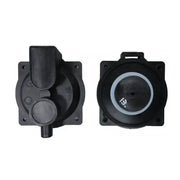
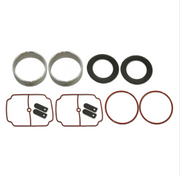
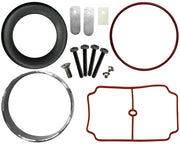
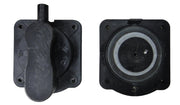
Air compressor: This is the mechanical pump that draws air from above the surface into the aeration system. Its located on the shore close to the body of water. We have a wide range of compressor maintenance kits available across several manufacturers.
-
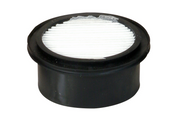
Air filters: These are often located in front of the compressor (so stop small pieces of debris caught up in the airflow from entering the system) and behind it (to prevent oil and excess moisture from getting into the water).
-
Weighted hoses: These drop to the base of a dam or waterway (where the gas stations are located) of their own accord. They come in a variety of thicknesses to account for the different water weights.
-
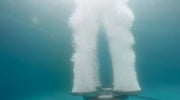
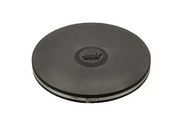
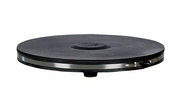
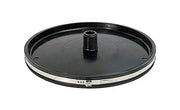
Diffusers: These powerful mechanisms are what shoot the pressurised air up into the main water body via air bubbles. These progressively get bigger as they climb, collecting deoxygenated water as they go.
FAQs
Why choose a subsurface aeration system over a surface one?
Both types of aeration systems have their benefits. However, subsurface is much better at adding dissolved oxygeninto deeper water systems. Once the water hits the surface, oxygen transfer takes place, before it sinks back to the bottom. This will eventually create a circulation system that prevents water stratification and stagnation.
Is subsurface aeration safe for fish and other aquatic life?
Yes it is - it provides the dissolved oxygen they need to live comfortably. However, you should take care when first introducing an aeration system into a water body, as the sudden disruption can cause stress among your fish population. So its best to introduce the circulation gradually.
Can I manage with a single aeration system?
This depends on the size of your water body. The goal is to distribute dissolved oxygen evenly throughout the entire body - this won't happen if you have a single system set up on one side of your dam and nothing on the other side. Large dams may require several systems to achieve this goal.
How does aeration prevent algal blooms?
Aeration adds oxygen to a water body, which aerobic bacteria love. These are the forms of bacteria that feed off excess nutrients that algae and other types of nuisance weeds will target. If the aerobic bacteria becomes dominant, the algae will eventually starve and die before breaking apart in the water and sinking to the bottom. This will leave your water clean and clear.
What maintenance is required on my aeration components?
You'll need to regularly check each section of your aeration system. Common areas for issue are around the air filters. You should make sure your compressors are free from obstacles that might've slipped through the filters. You'll also want to confirm that there are no cracks or tears in your piping, which could cause a drastic decrease in air pressure.