Algaecides
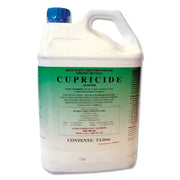
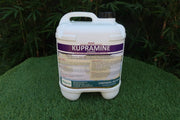
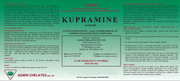
For all heavy duty algae removal projects, our range of high-quality algaecides might be just what you're looking for. We offer products from two of the leading names in the field - Cupricide and Kupramine. Choose from a range of product sizes depending on the size of your water system and the severity of your algae growth. For effective, safe results, always consult with the recommended guidance to help keep your fish and plants safe throughout the treatment.
How to Use and Apply Algaecide Safely
Algaecide is a highly-effective treatment against excess algae blooms and other unwanted aquatic plants. However, it can also be harmful to fish, plants, and other organisms if it's not applied correctly.
That's why we always recommend the following steps to make sure your treatment doesn't lead to other issues:
-
Do not treat your entire water body all at once, especially if algae is clearly the dominant plant in your ecosystem. When algae dies off, it's no longer producing the oxygen needed to keep fish alive. That's why you should always use algaecide in a staged manner, taking care of one small area of your pond or dam sequentially.
-
Use it as part of a wider treatment. We recommend applying it alongside a natural probiotic stimulator such as Biostim, which helps to encourage the growth of beneficial bacteria to starve algae and isn't harmful to fish. It means you won't have to risk using so much algaecide. You should also combine using it with an aeration system where possible.
-
Avoid using algaecide in areas where aquatic birds and other farm animals visit often - it can cause harm to them.
-
Make sure you're only using algaecide within your own self-contained water systems. Algaecide-treated water should not be allowed to end up in rivers or lakes.
FAQs
When should I turn to algaecide?
Algaecide should be used when you're starting to experience very dense algae growth. It's also much safer to use if you have a water system that doesn't contain fish and other organisms. Some forms of algae, such as blue green algae, can be resistant to other treatments. So algaecide might be the most appropriate solution in these instances as well.
How long does algaecide take to work?
There are a few factors that determine how quickly algaecide gets to work - however, you should typically expect to see results starting to show within the first 48 hours. Things such as water temperature, the product strength and how much is applied, and whether there is an aeration system in place can all affect how long the treatment takes.
Will algaecide solve my algae growth permanently?
Algaecide removes what's already there. It won't always fix the underlying conditions for why it's growing so rapidly in the first place. Excess nutrients, insufficient circulation, high levels of sunlight and warmth will often mean that algae will eventually return after treatment. It's why we always recommend using it in conjunction with other treatments such as aeration and Biostim.
What happens if I use too much algaecide?
As well as causing potentially serious harm to your fish and other wildlife, using too much algaecide will upset the balance of your water environment. If you're using a copper-based product, your water will end up with high levels of copper toxicity which can be difficult to correct and reverse.
How often should I repeat the treatments?
We recommend at least a two-week gap between algaecide treatments. This is to give water enough time to reoxygenate. If you're using algaecide as a preventative measure, you should use lower doses more periodically. If you have any queries related to your algaecide treatments, do not hesitate to get in contact with our expert team for guidance.