Wastewater Treatments
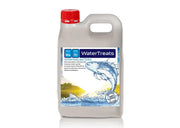
Take control of your wastewater treatment process with our selection of effective, all-natural water treatment products and solutions. Whether you need to remove harmful substances such as ammonia and phosphorus from your water bodies, or take care of unpleasant odours caused by industrial processes, we've got you covered. Take a look at our wide range of high-quality products below.
Nitrifiers - What They Are and How They Work
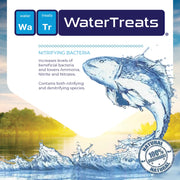
Nitrifiers are a very important ingredient for the process of detoxifying water and making it safe for use across a number of areas. They are considered to be specialised micro organisms that typically convert ammonia (often the source of bad smells) into elements such as nitrate. And while nitrate isn't a completely toxic-free substance, it's far more stable than both ammonia and nitrite.
Nitrifiers thrive and work most effectively in oxygen-rich areas, which is why they are often used in combination with aeration systems and probiotic solutions that encourage beneficial, aerobic bacteria to grow. When they have access to these conditions, they can successfully carry out the oxidisation of ammonia into nitrite, and then into nitrate. You can also get denitrifiers, which convert ammonia into nitrogen gas.
Tips for Applying Wastewater Treatments
As you might expect, taking care of industrial and domestic wastewater can be hazardous if it isn't done using the recommended methods and processes. Each of our products will carry slightly different recommendations, so it's important that you consult your user guide prior to application.
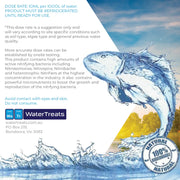
Typically, you won't have to do much beyond sticking to the suggested dosages, and maintaining a regular treatment schedule to ensure there is a steady supply of solution that is always active within your sewerage network or treatment plant.
You'll also notice that several of our products have very high levels of concentrations, meaning that the recommended dosages might seem a little on the low side. Don't be tempted to throw in more though; these solutions will do the job.
FAQs
How do odours form in wastewater areas?
Bad odours can form in wastewater areas if anaerobic bacteria is allowed to generate and grow to dominate a water system or area. These types of bacteria are produced from substances such as ammonia, hydrogen sulfate, and mercaptans. As well as industrial discharge, these substances enter a water system through agricultural runoff and are encouraged by stagnant water, high temperatures and, in some cases, high levels of turbulence.
What conditions do nitrifiers need in order to work?
Nitrifiers require an oxygen-rich environment in order to thrive. They can operate in warm waters and will benefit from a pH range of between 6.5 and 8.5. They also need a food source such as ammonia in order to be sustainable. They can be affected by other substances such as chlorine and algaecides, so always take care if you plan on using multiple other solutions.
When would you use a denitrifier instead of a nitrifier?
You would use a denitrifier once the ammonia has been converted into nitrate; it's essentially used after the nitrifier has done its thing. Denitrifiers remove nitrate from a water system by converting it into nitrogen gas.
How do grease degraders work?
Grease degraders work by breaking down the bonds between long chain fatty acids and glycerol, making it easier for aerobic bacteria to digest. Therefore, like many industrial wastewater treatments, they work best in oxygen-rich environments to help create hydrophilic bacterial cultures.
How often should I apply odour-neutralising products?
There's no hard and fast rule for scheduling your treatments; if you work in a high-volume wastewater treatment or sewage plant that handles high levels of organic material, you'll likely need to organise your treatments more regularly.