Algae Treatments
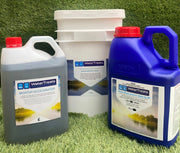
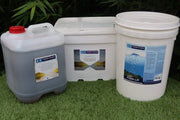
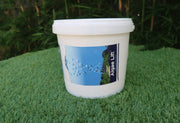
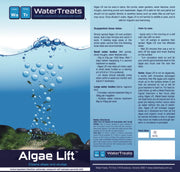
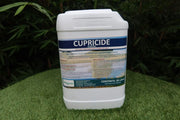
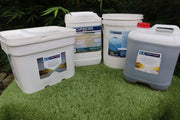
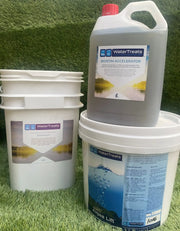
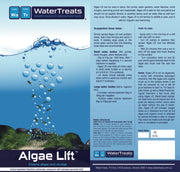
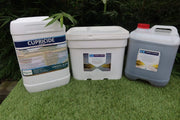
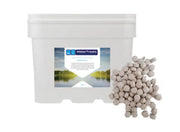
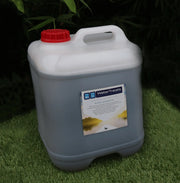
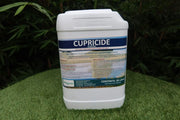
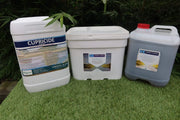
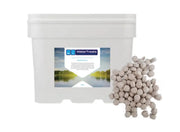
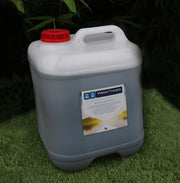
Algae is a challenge that all pond and dam owners face, which is why we're proud to offer our extensive range of algae remover tools and solutions all designed to improve the long-term wellbeing of your water system. You can target algae directly with our algaecide options, or you can take care of the problem via our probiotic stimulants, created using only 100% natural ingredients. No matter what your algae situation, we've got you covered.
Types of algae found in Australia
Every pond, lake, or dam across Australia is likely to experience some form of algae growth throughout its lifecycle. However, as with most forms of plant or animal life, there are a number of common species that might enter your waterway. Knowing which one you're facing is important for working out what the best solution to removing it is.
There are five broad species of algae that you'll tend to find in Australian water systems:
-
Green algae: By far the most common type, green algae comes in the form of filamentous algae, planktonic, and colonial. Green algae is a pest and is often unsightly, with a tendency to clog up irrigation systems and cause deoxygenation, and it's often very fast-growing.
-
Blue green algae: This is not technically an algae, but it behaves and grows in much the same way. Blue green algae is perhaps the most problematic of all types as it can quickly turn a water body very toxic and dangerous for fish and other forms of aquatic life if left unchecked.
-
Diatoms: These are a microscopic form of algae that can cause green water in large enough numbers. They do have benefits to a water system as they are good oxygenators. They just tend to make water a little unsightly.
-
Euglenoids: These are a unicellular, free-moving form of algae that feed off organic materials and carry out photosynthesis. In small, controlled clusters, these can actually be beneficial to a pond or dam.
-
Dinoflagellates: This type of algae is microscopic, though in large enough numbers will present a red hue in water. They can become toxic if growth is too aggressive, though they are excellent nutrient recyclers.
FAQs
How can I stop algae from entering my fish pond?
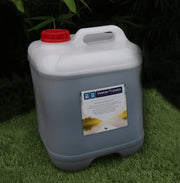
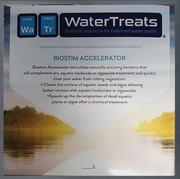
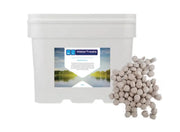
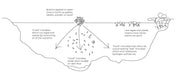
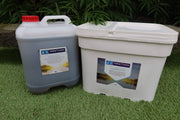
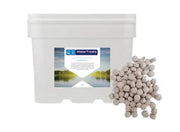
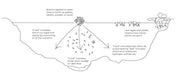
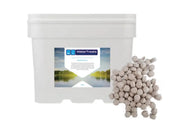
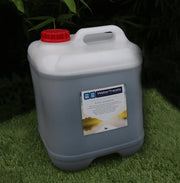
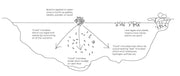
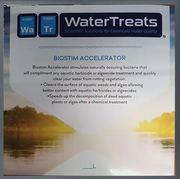
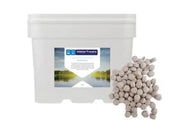
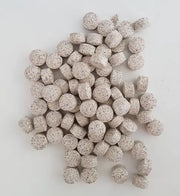
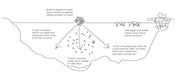
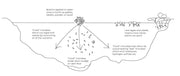
It's difficult to stop algae completely, but you can severely hamper its growth with a combination of aeration and Biostim. Aeration creates an oxygen-rich environment within water, and Biostim stimulates the growth of aerobic bacteria which feed off the nutrients that algae and other aquatic weeds need to survive. We always recommend this as the best form of algae control.
How does Biostim differ from an algaecide?
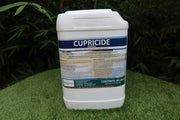
Biostim indirectly targets algae by creating the environment needed to minimise its growth. Algaecides target algae directly by breaking down its molecular structure. Both methods are effective at algae removal, however, only Biostim targets the cause of the algae. Algaecides target the symptom, not the cause.
What are some common signs of blue green algae?
Blue green algae has a distinct appearance that can give away whether you have it in your pond or waterway. They usually resemble a thick, green mat that floats on the surface of the water. It can also accumulate at the water's edge and may cause some kind of foaming. If you suspect blue green algae, we strongly recommend using one of our testing kits and to avoid any further contact with the water.
What encourages algae growth?
Algae cells thrive in warm, stagnant waters where there is very little oxygenation taking place. Algae also requires organic matter to feed from; this can come from things such as agricultural runoff, dead leaves, or animal waste. In these conditions, anaerobic bacteria cultures develop, which stimulate the growth of algae and other harmful weeds.